All in Foreign Policy

Globalism 2.0: The Underwriting Era Is Over

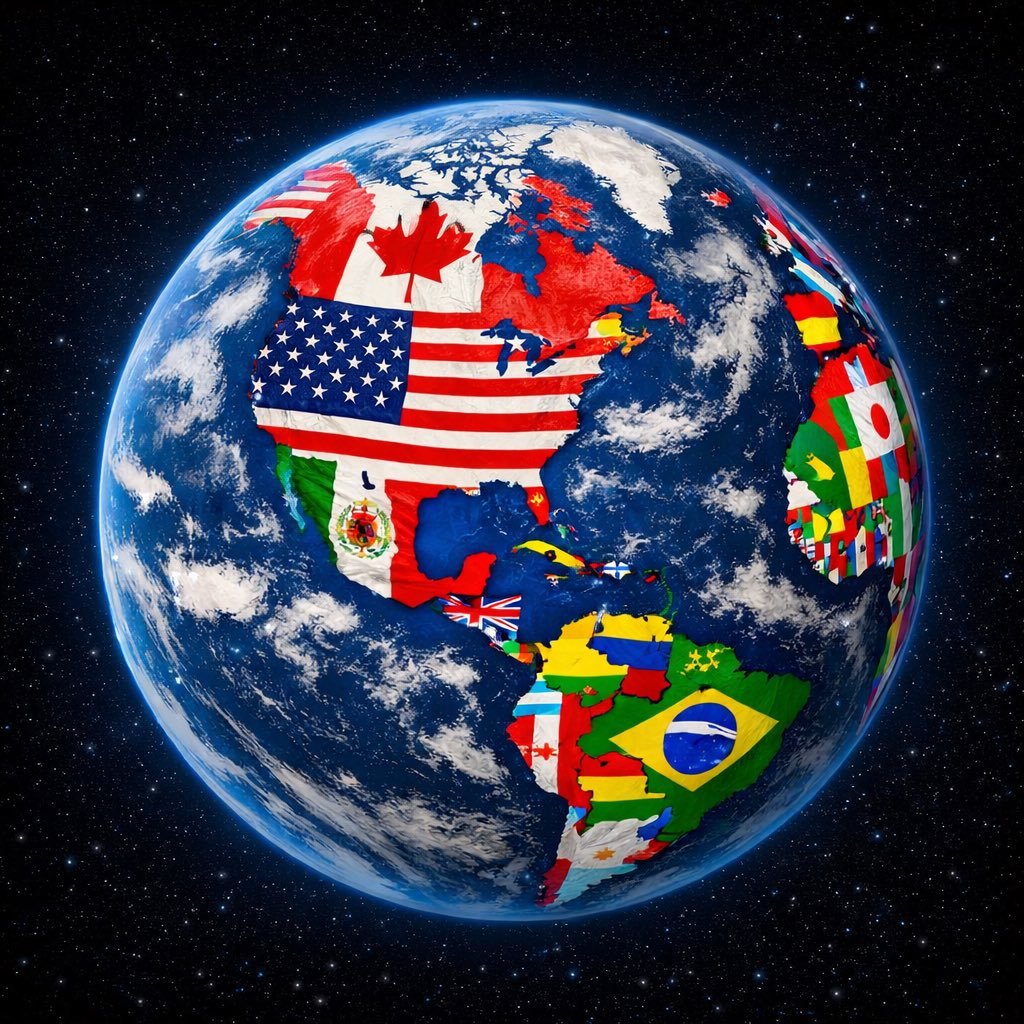
For nearly a century, the United States underwrote a global system built on open trade, expanding growth, and cheap efficiency. That era is ending. As demographics shift, strategic competition intensifies, and national security priorities harden, globalization is being reorganized around alignment, resilience, and conditional access. Globalism 2.0 isn’t collapse — it’s repricing. And the difference between panic and positioning is recognizing the shift before it becomes obvious.

One Belt, One Road - What's the end game?

In recent years, the Chinese government has been promoting its One Belt, One Road (OBOR) initiative as a key strategy for expanding China's global influence and promoting economic growth. In this blog, we will provide an overview of the OBOR initiative and examine its goals and implications for China and the wider world.

The Quad - The Fight for the Indo-Pacific

The Quadrilateral Security Dialogue, commonly known as the Quad, is a strategic partnership between the United States, Japan, Australia, and India. The Quad was established in 2007 as an informal dialogue among the four countries to discuss security and economic issues in the Indo-Pacific region. However, the Quad disbanded soon after due to disagreements among the member countries. In 2017, the Quad was revived, and it has since become a significant force in the region, aimed at promoting a free, open, and inclusive Indo-Pacific.

The Rise of Civilization States

Since the invention of nationalism in the late 18th century - early 19th century, the world has primarily known nation states - particularly in what we call the “West”. Some cite the American or French revolutions as its beginnings, which certainly became a powerful tool for unity and mobilization. However, times are changing and I predict a new age is dawning or has already begun. Civilization States will be the dominant form of political alignment for the foreseeable future.